No products in the cart.

Bartolomeo Corsini: merchant and Senator of the Grand Duchy of Tuscany

Bartolomeo Corsini: merchant and Senator of the Grand Duchy of Tuscany

The Corsini Family and its influence through the centuries

Villa Le Corti is the silent guardian of the historical events that shaped the greatness and influence of the Corsini family over the centuries. Here we retrace the memory of those figures who, with remarkable vision, contributed to its origins and architectural development.

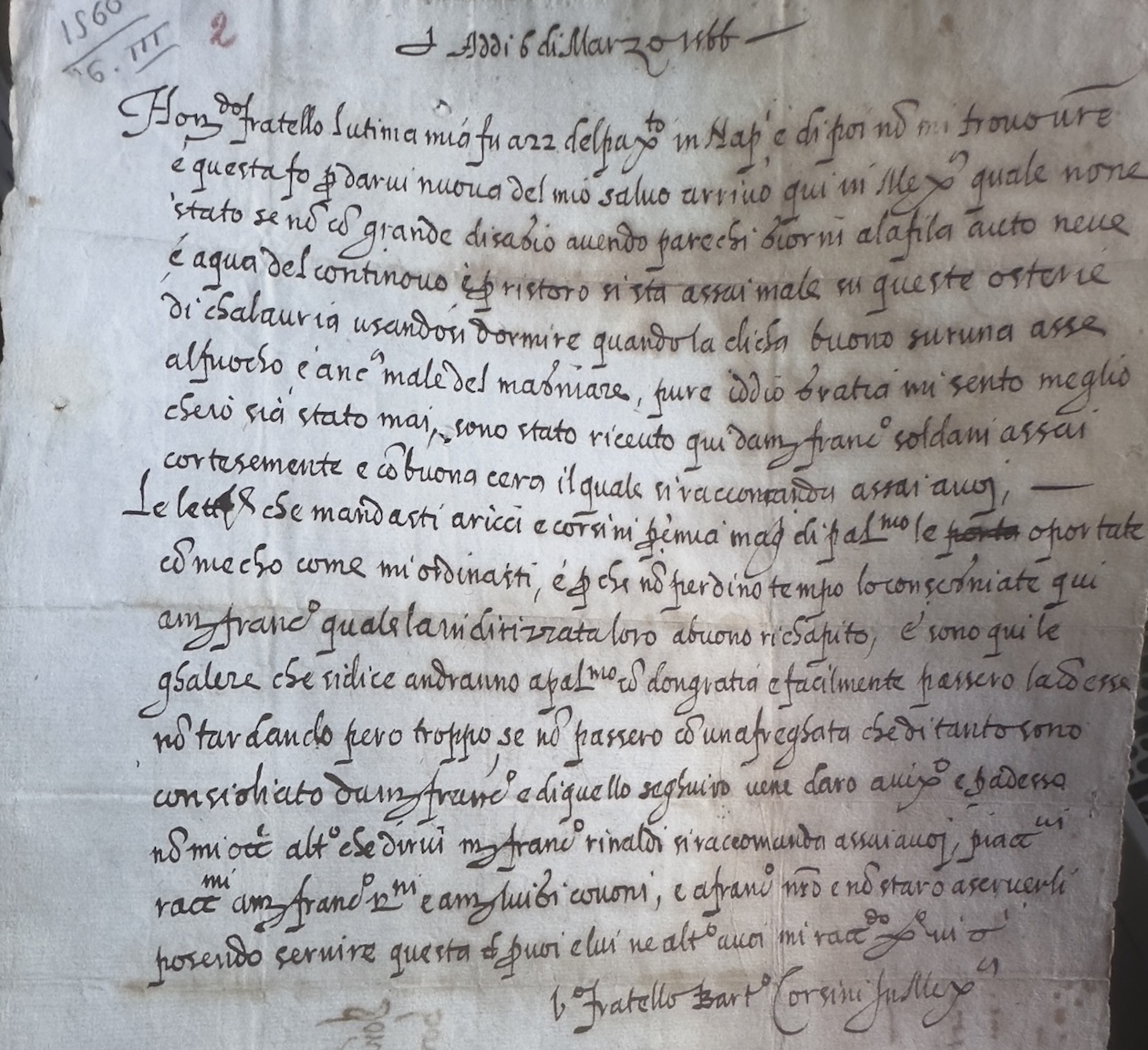
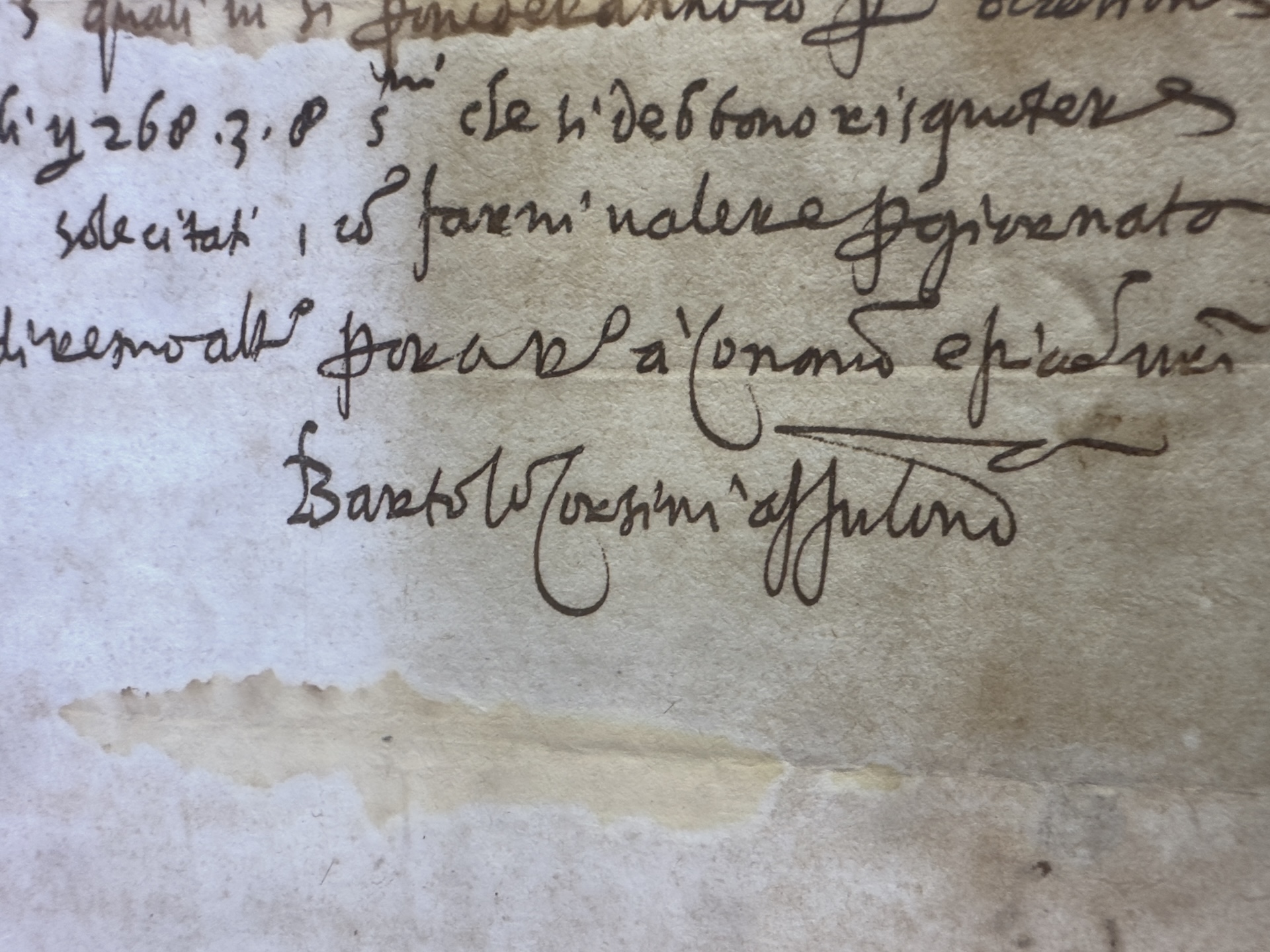
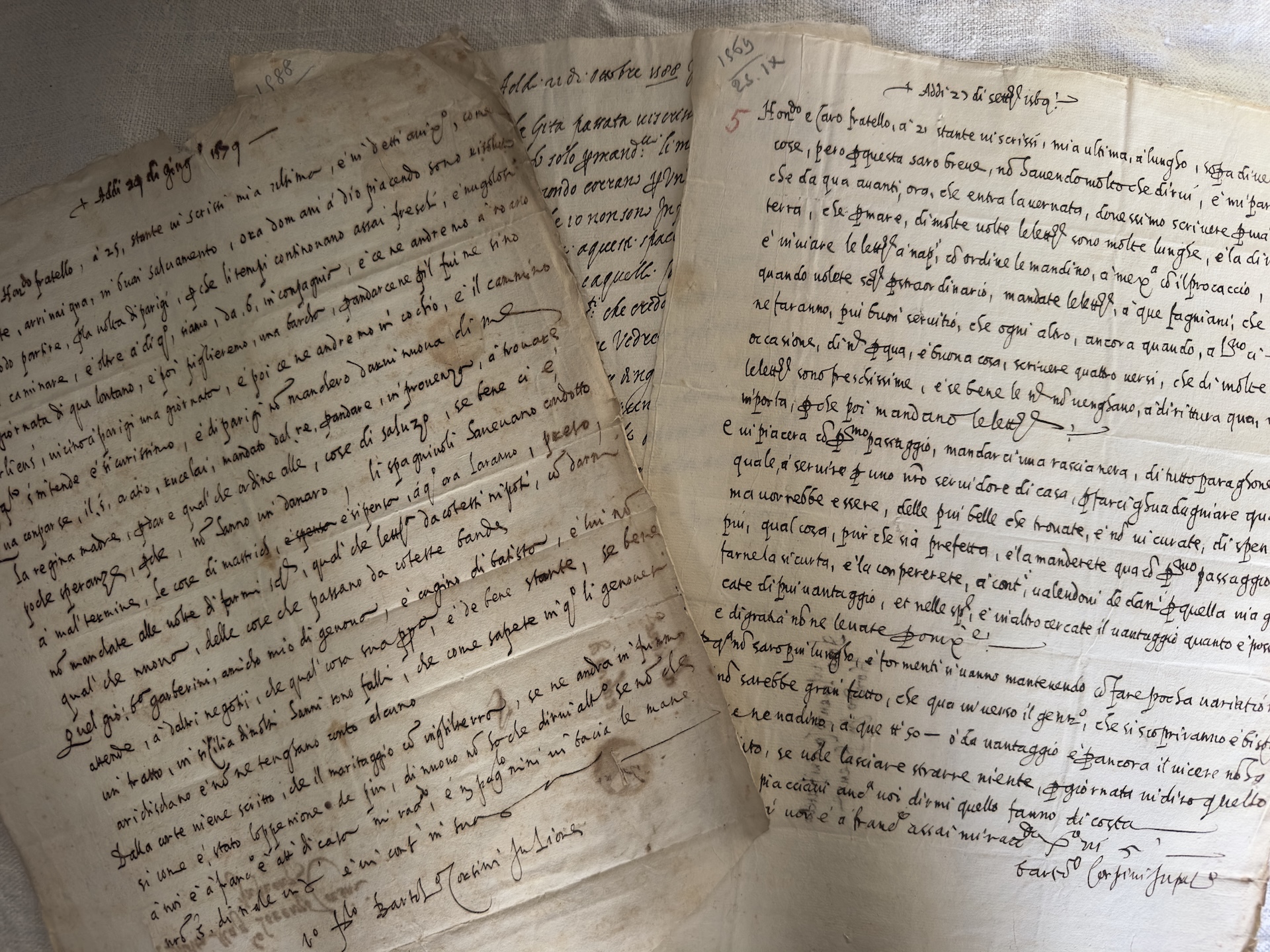
This account draws its authority and depth from the wealth of documents preserved in the Corsini Archive, housed within Villa Le Corti. Through the meticulous analysis of these manuscripts, notarial deeds, and private correspondence, it is possible to reconstruct with historical precision the individual trajectories within the dynasty.

The portrait of Bartolomeo Corsini

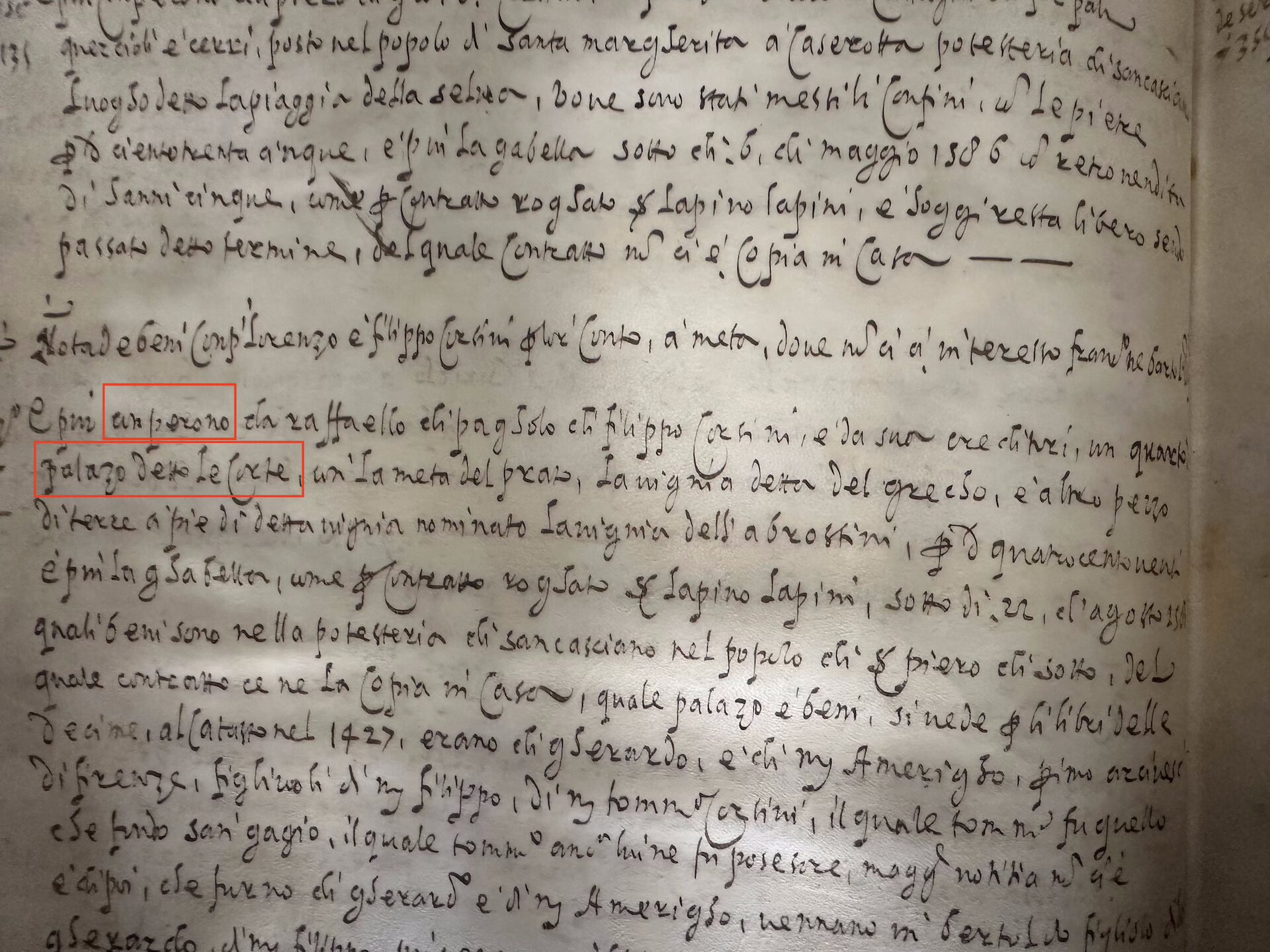
We begin by outlining the portrait of Bartolomeo Corsini who, as documented, acted in 1586 as the agent responsible for purchasing one quarter of the “palazzo delle Corte” laying the first decisive stone in what would become one of the most significant properties of the Corsini family.
The son of Bernardo Corsini and Giana Martini, and the youngest of eight siblings, Bartolomeo was born on March 8, 1545.

In 1567, together with his brother Filippo, then residing in London, he launched a commercial activity trading “goods from that country”, thus beginning a flourishing trade between Italy and England—where grains and fabrics originating in the East, processed by Florentine workshops of the Wool and Silk Guilds, reached England, from which shipments of herring departed for Italy. Their business later expanded into France, Spain, the Netherlands, Belgium, and Germany.

The Senator of the Grand Duchy of Tuscany

In 1601 he was appointed Senator of the Grand Duchy of Tuscany but, despite this political position, Bartolomeo continued to favor commerce, becoming one of the wealthiest citizens of Florence. In doing so, he strengthened the family’s economic heritage, thereby ensuring for his descendants—through recognized social prestige—a full political affirmation.

That same year, his brother Filippo died in London, and the wealth he had accumulated was passed on to Bartolomeo, named his universal heir. In accordance with his brother’s will, Bartolomeo continued—between 1601 and 1608—purchasing real estate at an almost monthly pace. On these assets he imposed a fideicommissum, which required that, in generational transitions, the properties remain inalienable and indivisible, and that they pass to descendants according to a set order of succession. This institution can be seen as a precursor of the modern trust.

Bartolomeo’s Real Estate Holdings for the Corsini Family

In 1608, upon drafting his own will, Bartolomeo created a second fideicommissum on the properties acquired with the wealth he himself had accumulated. His will also required his heirs to continue acquiring new lands and palaces with the wealth of the two brothers, already distributed to the children of their other brother, Lorenzo.

These properties were always to yield substantial income, explicitly forbidding the purchase of “palaces without revenue… or adornments that cost an extraordinary sum, without real income.

Through this ambitious campaign of land and property acquisitions, Bartolomeo intended to secure an income—less than what could be generated through trade but safer and more stable—to provide the family with solid financial foundations capable of ensuring the prestige needed for a robust political ascent.

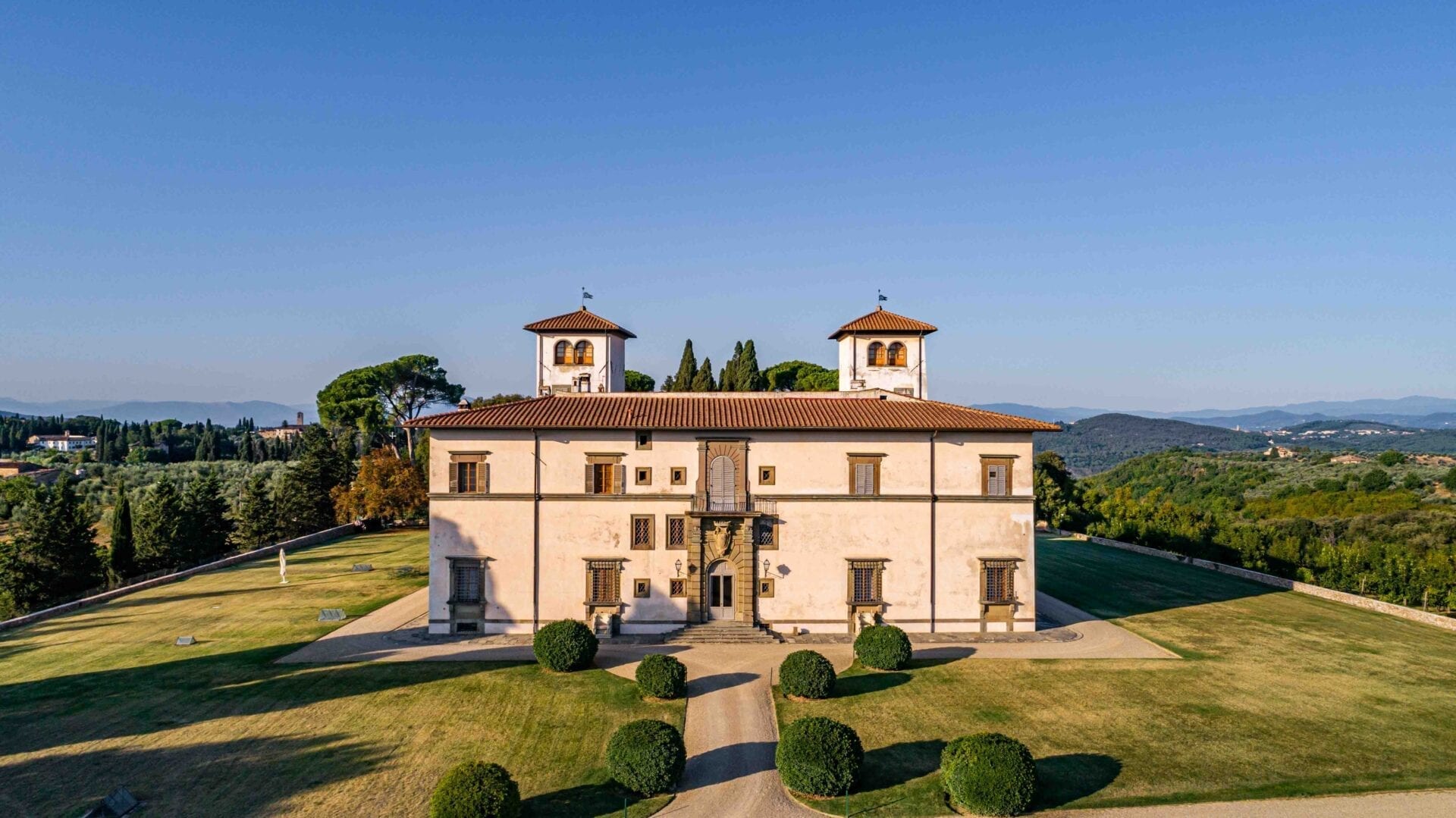
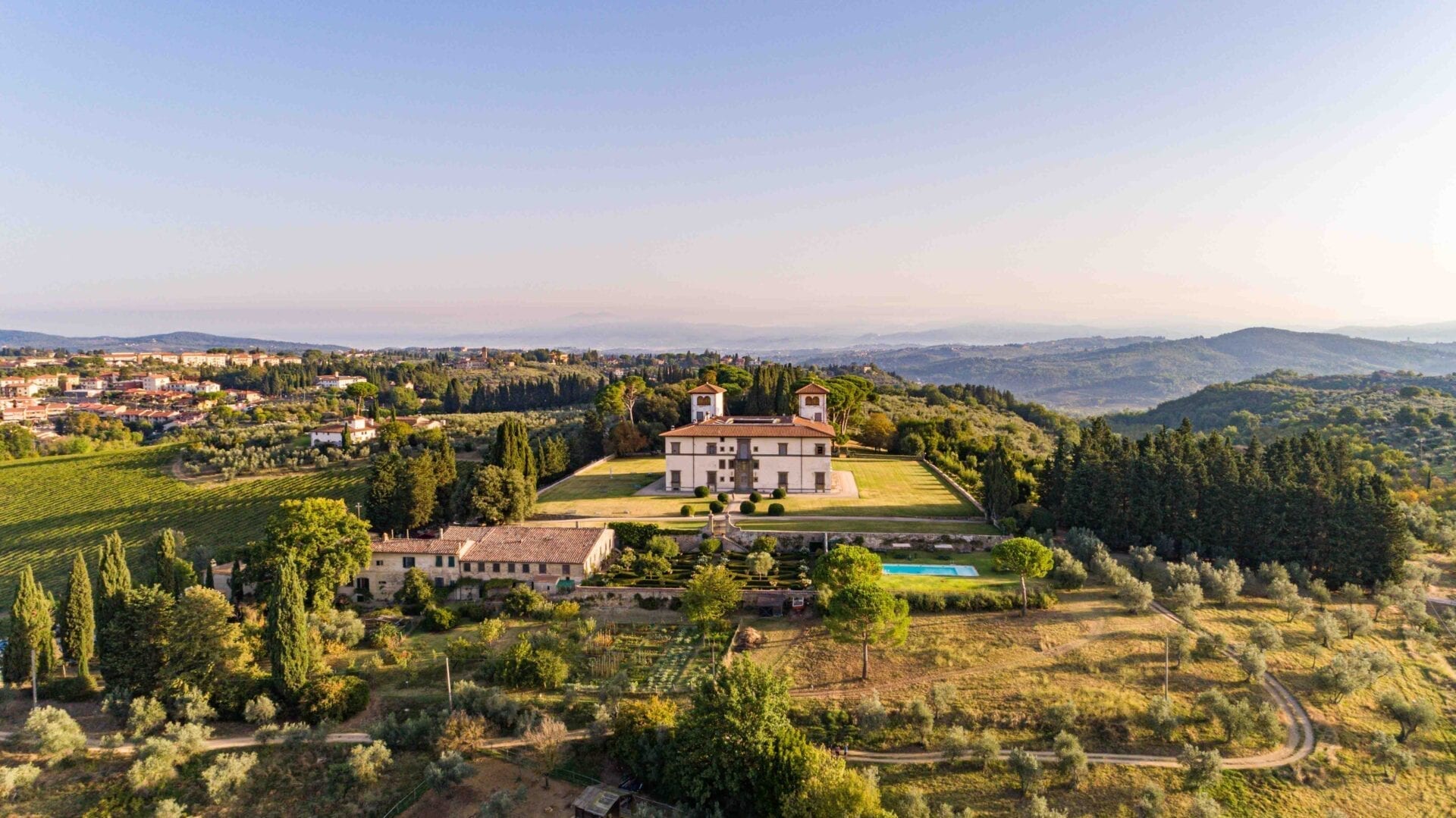
The purchase of the “Palazzo delle Corte,” today Villa Le Corti

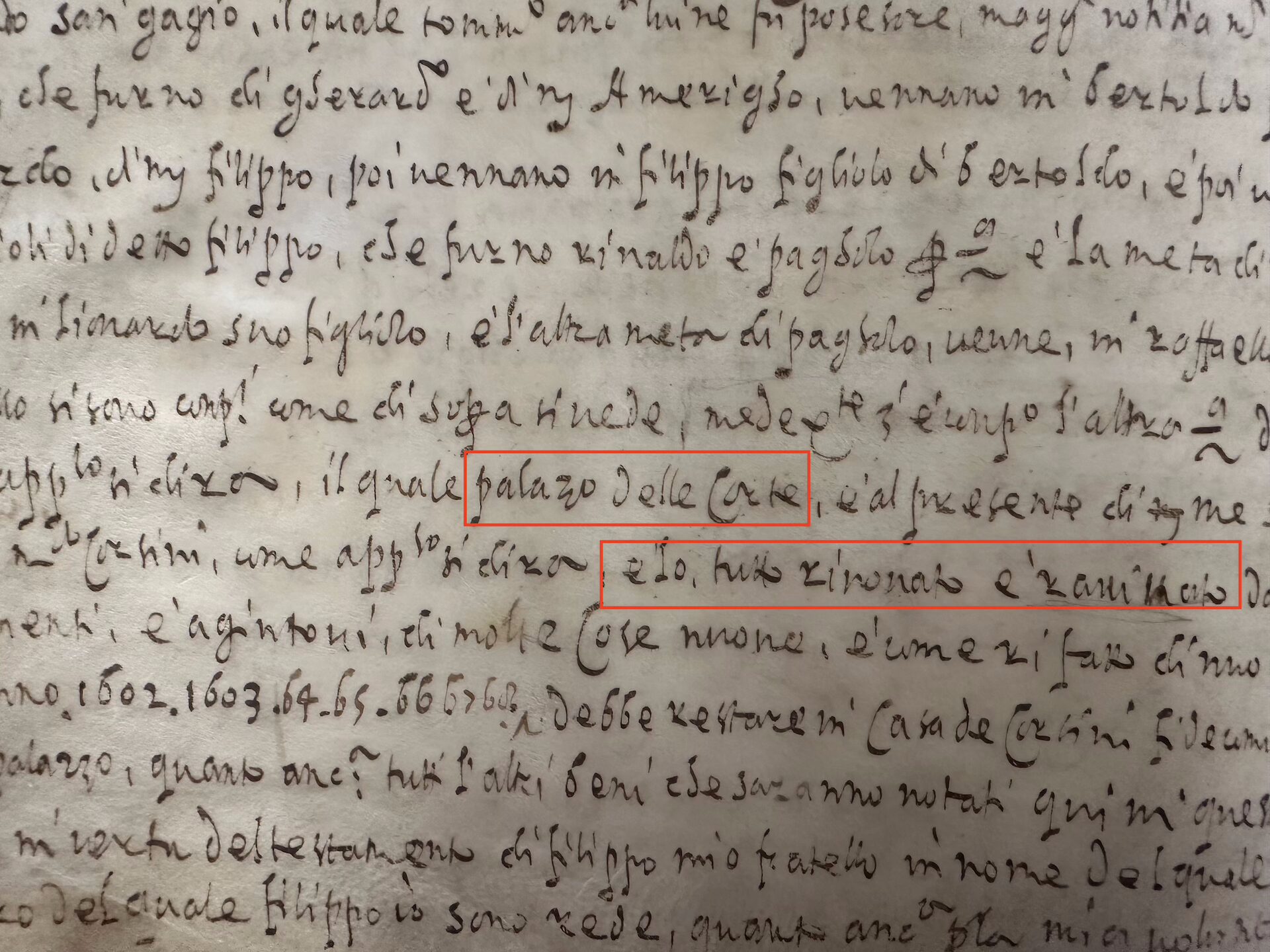
Among his real estate investments, the 1586 purchase by Bartolomeo, on behalf of his brother, of one quarter of the “palazzo delle Corte” stands out. In his will he wrote:

“The palace… is at present mine, Ser Bartolomeo di Bernardo Corsini, and I have entirely renewed and restored it from the foundations and added many new features, having rebuilt it entirely anew in the year 1602–1610. It must remain under the Corsini fideicommissum, both this palace and all other goods…, by virtue of the will of my brother Filippo, in whose name I purchased it, of whom I am the heir, and also by my own will.”

The rebuilding of the palace from the foundations, mentioned in the will, can be reconstructed in detail from the documents preserved in the Corsini Archive.
Work began on February 20, 1601, when the first “…expenses for masonry” were recorded at the “place called Le Corti…”.  A few days later, 40 scudi were paid to Santi di Tito, “architect of said masonry”. The construction site progressed steadily throughout 1602.

In the initial phase, most of the expenditure concerned, on the one hand, the transport of debris from the old structure and the earth removed from the hillside where the Villa would rise; on the other, the purchase of large quantities of lime, measured in some—that is, in “loads” transported by cart from the kiln to the site.
Alongside this, the purchase of an enormous quantity of straw and bran for pack animals conveys the sheer magnitude of the undertaking.

By 1603, references to roof gutters appear, and the first purchases of roof tiles are recorded. This does not imply that the building was already fully constructed, but rather that it was necessary to “cover” certain rooms in preparation for winter.

The Creation of the Lawn of Villa Le Corti

Beginning in July 1604, the Corsini family started to furnish the Villa: they purchased tableware, canopy beds, mattresses, upholstered chairs, and paintings.
Construction of the three underground floors serving the estate (stables, wine cellars, etc.) progressed alongside that of the Villa.

From 1608 onward, stone and sand were brought in to build the retaining wall for the great Lawn (il Prato) that surrounds the Villa on all four sides—an audacious and visionary project. Indeed, the Lawn covers the three underground floors, where today the wine cellars are located, like a hanging garden—a “green roof”—enhancing the essential monumentality of the Villa.
After Bartolomeo’s death in 1613, the work slowed considerably.

His heirs continued to use the Villa for leisure and for managing the estate, but several decades would pass—and another prominent family figure, Filippo Corsini—before significant new changes were made.

Request more information

Contact us for more information.

Contacts