No products in the cart.

Microorganisms: what they are and how to make them

Microorganisms: what they are and how to make them

Microorganisms: aerobic and anaerobic bacteria at the foundation of all ecosystems

Effective Microorganisms – in English, EM (Effective Microorganisms) – are a mixture of over 80 species of natural, non–genetically modified microorganisms.

They consist of aerobic and anaerobic bacteria, including lactic acid bacteria, photosynthetic bacteria, yeasts, fermentative fungi, and actinomycetes that coexist in symbiosis. The unique characteristic of these microorganisms is that they feed on one another’s by-products, generating a system that supports vital processes in all ecosystems, including human ones.

The main actions of Effective Microorganisms

Effective Microorganisms (EM) perform three main functions: an antioxidant action, a de-ionizing action, and an energy-conversion action.

Through these mechanisms, microorganisms help create a more balanced and favorable environment, counteracting oxidation processes and supporting higher biological quality in the systems in which they are applied.

These actions are made possible by the principle of microbial dominance, according to which the quality of an environment is not determined by the presence or absence of individual microorganisms, but by the prevalence of one type of microorganism over others. When beneficial microorganisms become dominant, the entire ecosystem tends to move toward processes of regeneration and balance.

Categories of microorganisms

As complex as it may seem, the microbial world can be divided into three main categories:

  • Regenerative microorganisms, which promote positive vital processes, improve environmental quality, and support biological regeneration;
  • Degenerative (or pathogenic) microorganisms, associated with decomposition, imbalance, and deterioration of biological systems;
  • Neutral (or polyvalent) microorganisms, which make up the majority and, depending on environmental conditions and microbial dominance, can shift toward either regenerative or degenerative behavior.

The introduction and spread of Effective Microorganisms in any environment makes it possible to steer microbial dominance toward regenerative or degenerative directions.

Microorganisms applied to Energetic Agriculture

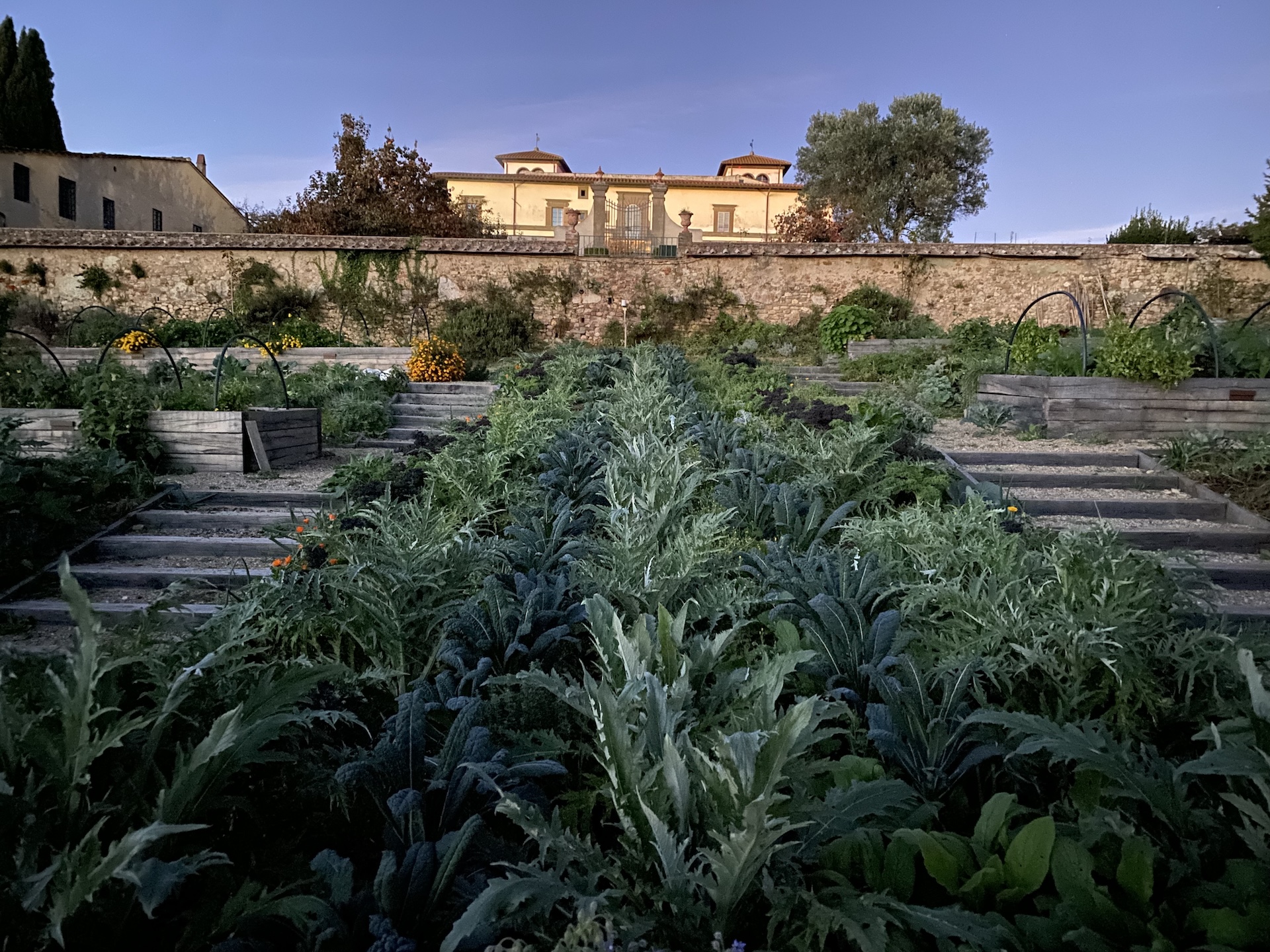
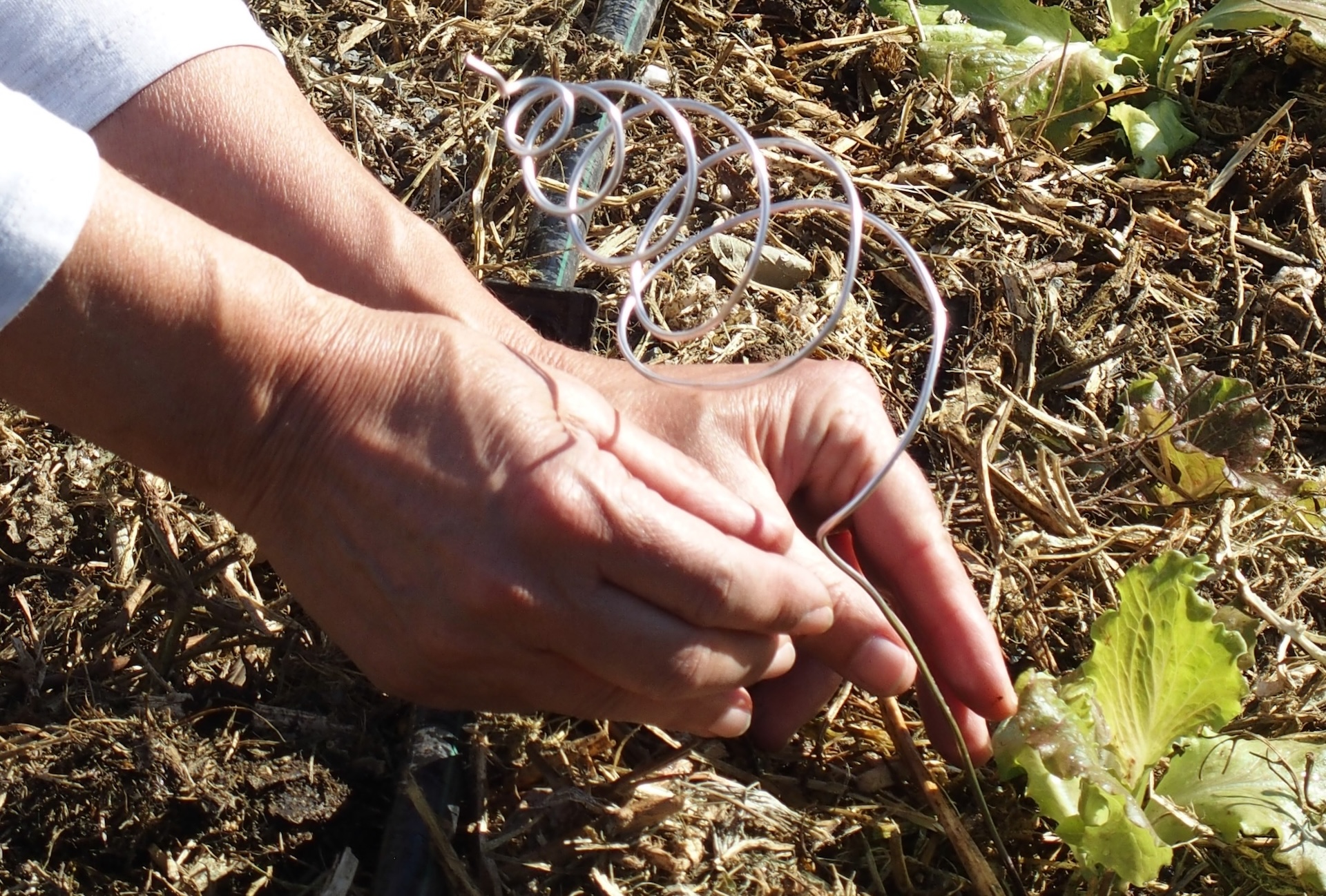
The agriculture of the future is sustainable, regenerative, and, precisely, microbial. The vegetable garden of Villa Le Corti is cultivated according to the agricultural practice of Electroculture, which aims to harness the natural energy present in the atmosphere and the Earth’s magnetic field to stimulate plant growth, health, and productivity, without the use of fertilizers or chemical treatments.

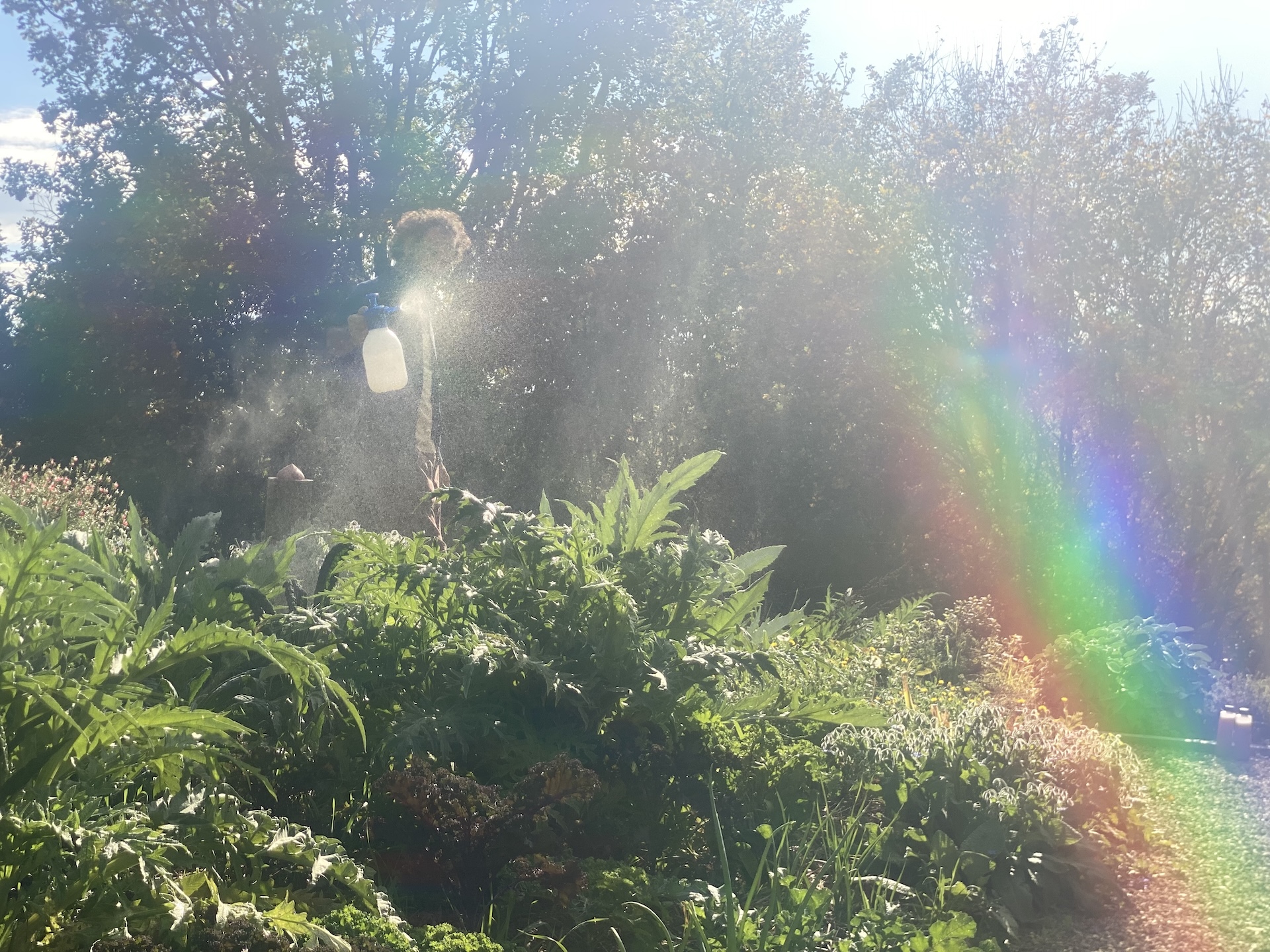
In this context, the use of regenerative microorganisms in Energetic Agriculture promotes a more stable, healthy, and energetically efficient environment.

How microorganisms promote maturation

Effective Microorganisms drastically and effectively improve the microbiological environment, favoring beneficial fermentation (maturation) instead of putrefaction. They decompose complex molecules while simultaneously generating metabolic products such as amino acids, proteins, enzymes, and antioxidant substances.

Their symbiosis also emits a three-dimensional helical frequency capable of regenerating any type of environment in which they are introduced (soil, plants, humans, animals, septic systems, homes, lakes, rivers, seas, etc.), converting harmful waves present in the environment into beneficial ones and bringing it to a natural state of perpetual regenerative frequency (toroidal).

Who discovered beneficial and regenerative microorganisms

The history of EM traces back to the research of Professor Teruo Higa, a professor of agronomy at the University of Okinawa, Japan.

In the 1980s, during a period dominated by the widespread use of synthetic fertilizers and pesticides, Professor Higa devoted his studies to finding a sustainable alternative: instead of fighting nature with chemistry, it was necessary to ally with microorganisms to regenerate the ecosystem.

Understanding, Creating, and Using Microorganisms

On Saturday, January 31 and Sunday, February 1, 2026 Villa Le Corti hosts the theoretical–practical course “Understanding, Creating, and Using Microorganisms”, with Michele Aberle and Andreea Merci.

The course is designed for those who wish to discover the fascinating world of Microorganisms applied to Electroculture or Energetic Agriculture—an innovative practice that harnesses the power of microbiology to improve soil fertility, increase productivity, and reduce environmental impact.

The course is open to everyone: enthusiasts of sustainable agriculture, students, farmers, and anyone interested in exploring the new frontiers of natural cultivation.

Discover the program

Request more information

Contact us for more information.

Contacts