No products in the cart.

The Botanical Journey of Villa Le Corti

The Botanical Journey of Villa Le Corti

Preserving the Heritage and Natural Beauty of the Estate Gardens

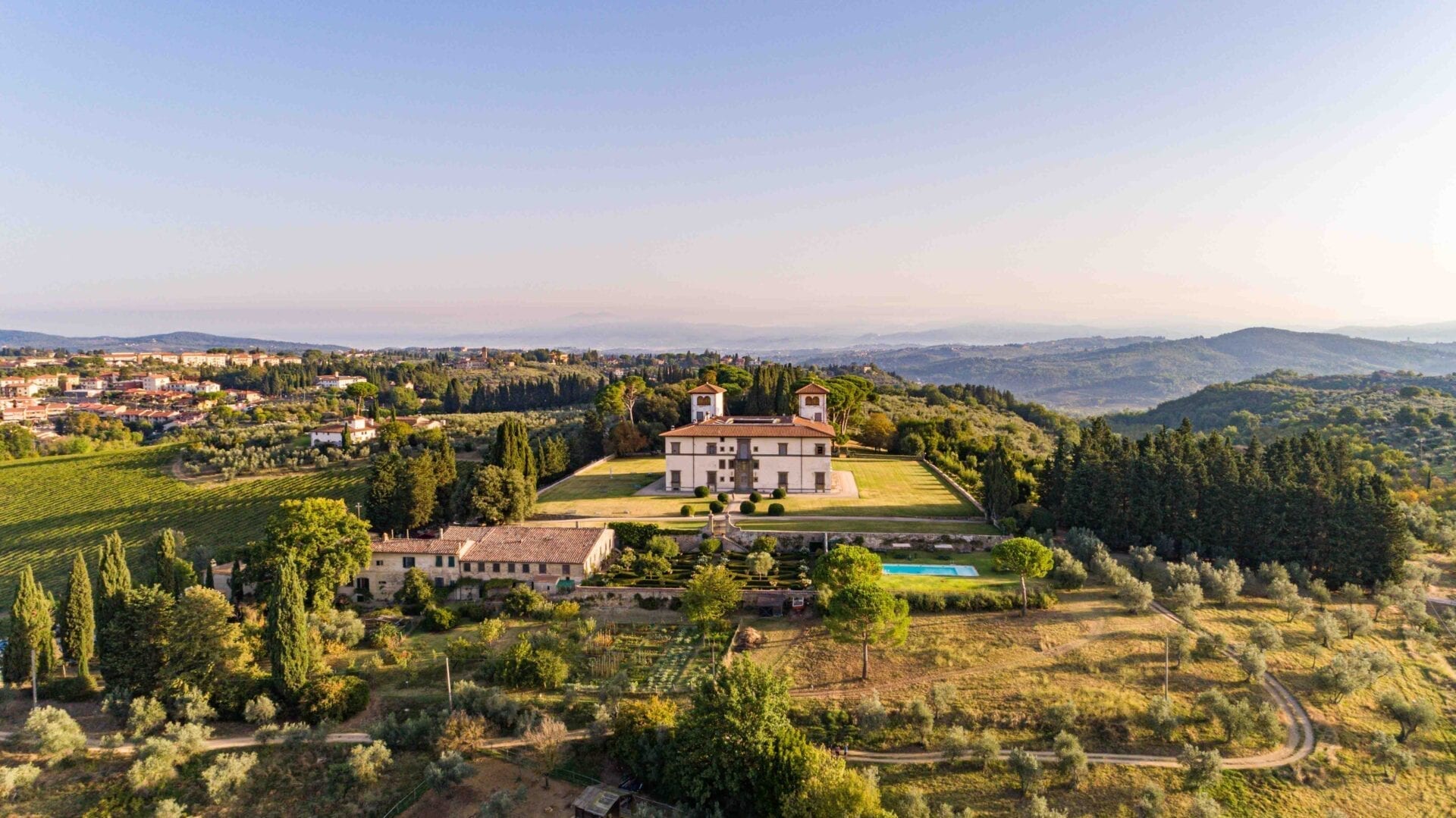
Over the centuries, the gardens surrounding Villa Le Corti have been continuously enriched and expanded, evolving into a storied “Villa-Fattoria” of immense charm. The estate serves as a living chronicle of Italian history, capturing the aesthetics of every era from the early 17th century to the late 20th century.

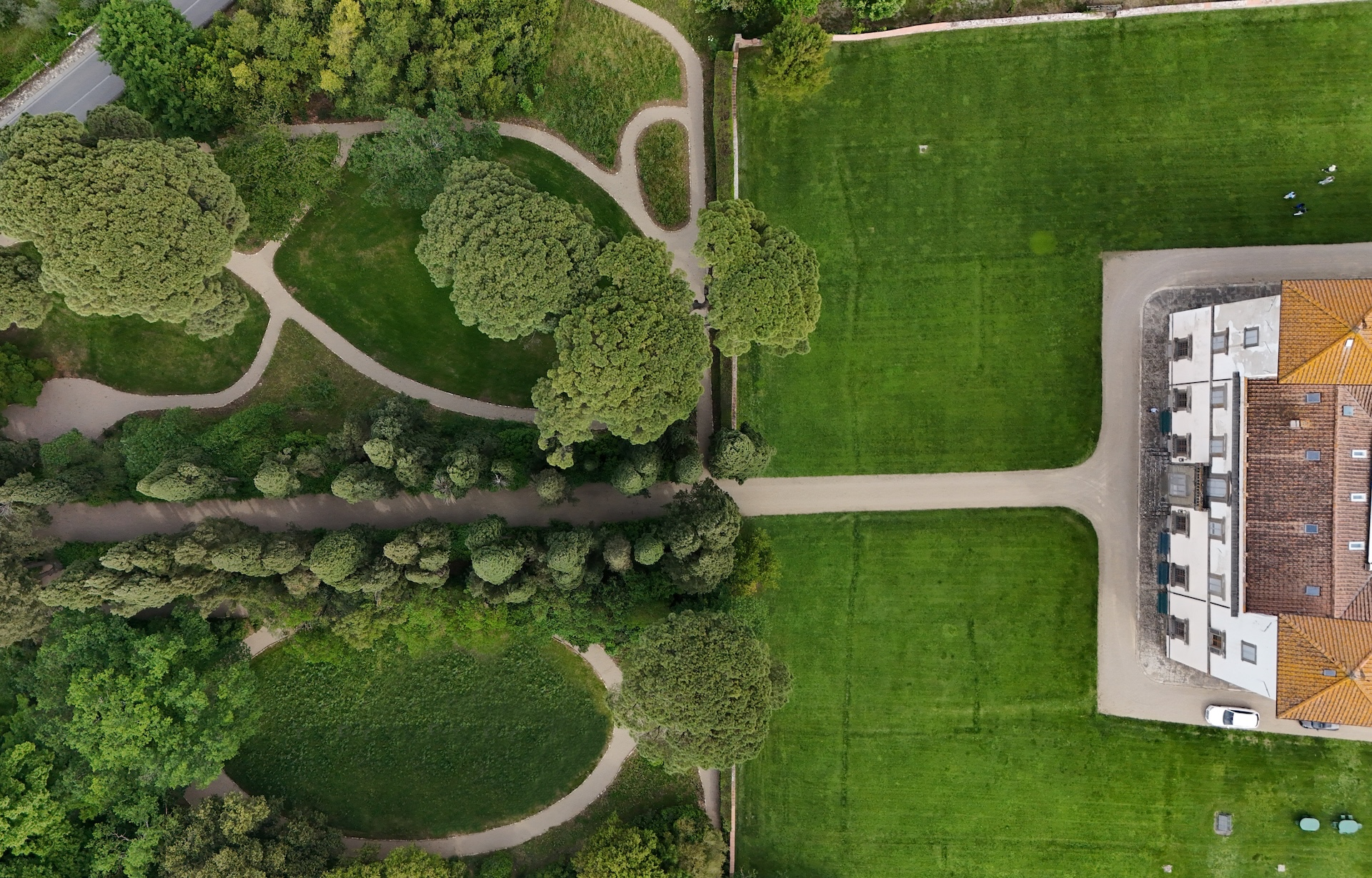
At the heart of the vast Great Meadow (Grande Prato) — which sits atop the historic wine cellars — rises the Villa itself, acting as the focal point of a grand perspective axis upon which the entire garden design is anchored.

The most recent restoration of the Villa Le Corti gardens was completed in 2024. This ambitious project, part of the National Recovery and Resilience Plan funded by the European Union, aimed to revitalize the estate’s historical, cultural, and botanical identity. The restoration breathed new life into the Italian Garden with a premier rose collection, uncovered the original paths of the Romantic Gardens, and regenerated the Cypress Avenue by thinning spontaneous growth.

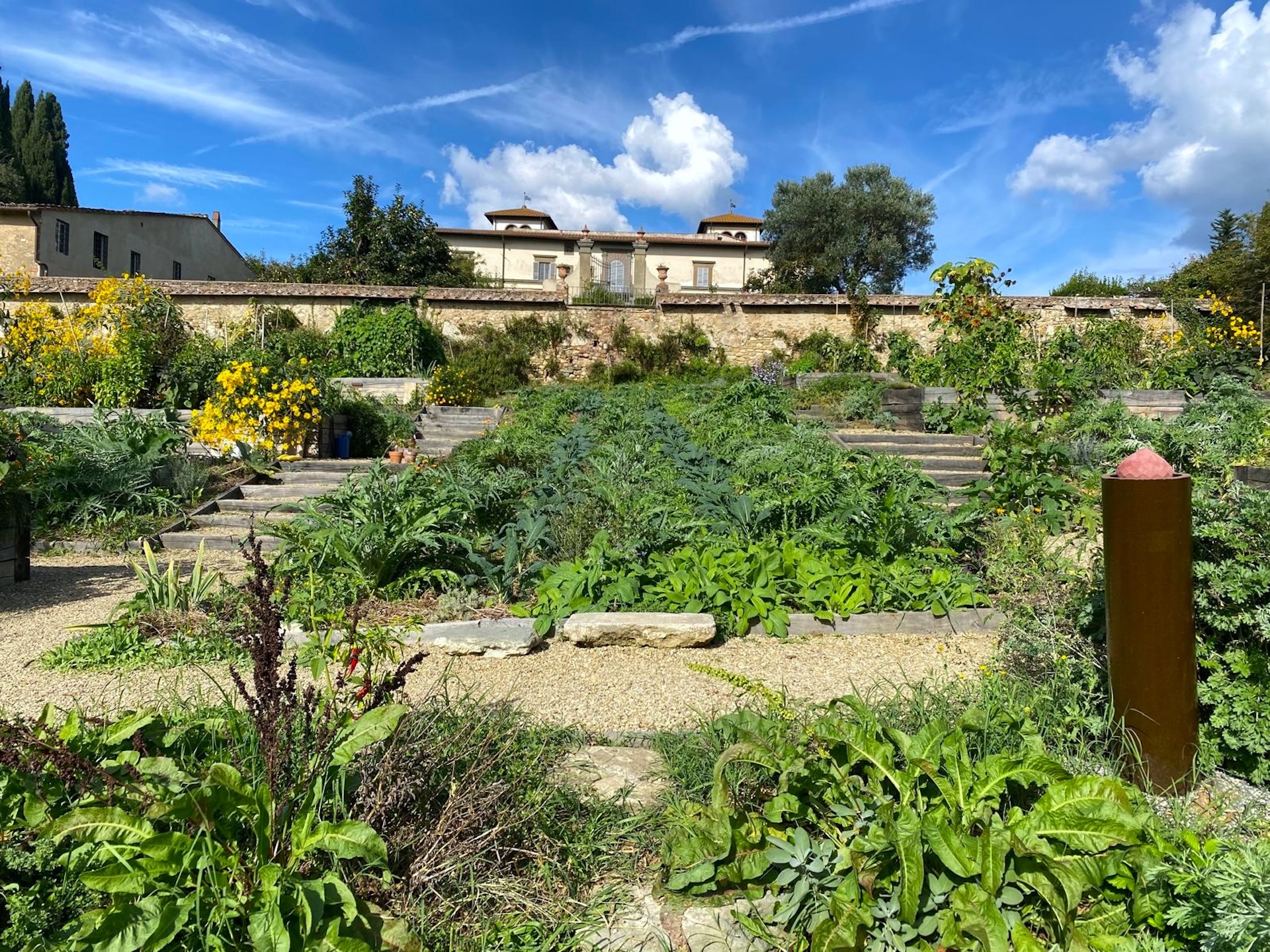
Simultaneously, the ancient Pomario (Orchard) was reclaimed through the planting of diverse fruit tree varieties, and the Orto (Kitchen Garden) was given a fresh, geometric design. The intervention involved planting thousands of specimens, including herbaceous perennials, bulbs, trees, and shrubs.

The fil rouge of this enhancement project is a celebration of the sensory experience, with a particular focus on the art of fragrance.

Since Spring 2025, the Gardens of Villa Le Corti have been open to the public for full exploration from March through October.

The Monumental Meadow

The emerald carpet surrounding the Villa is the most ancient part of the grounds. This expansive, rustic meadow is home to a tapestry of wild species: anemones (Anemone coronaria), crocus, speedwell (Veronica persica), and dandelions (Taraxacum officinale). Most notably, it is dotted with English daisiesBellis perennis — which, as their botanical name suggests, remain in bloom almost year-round.

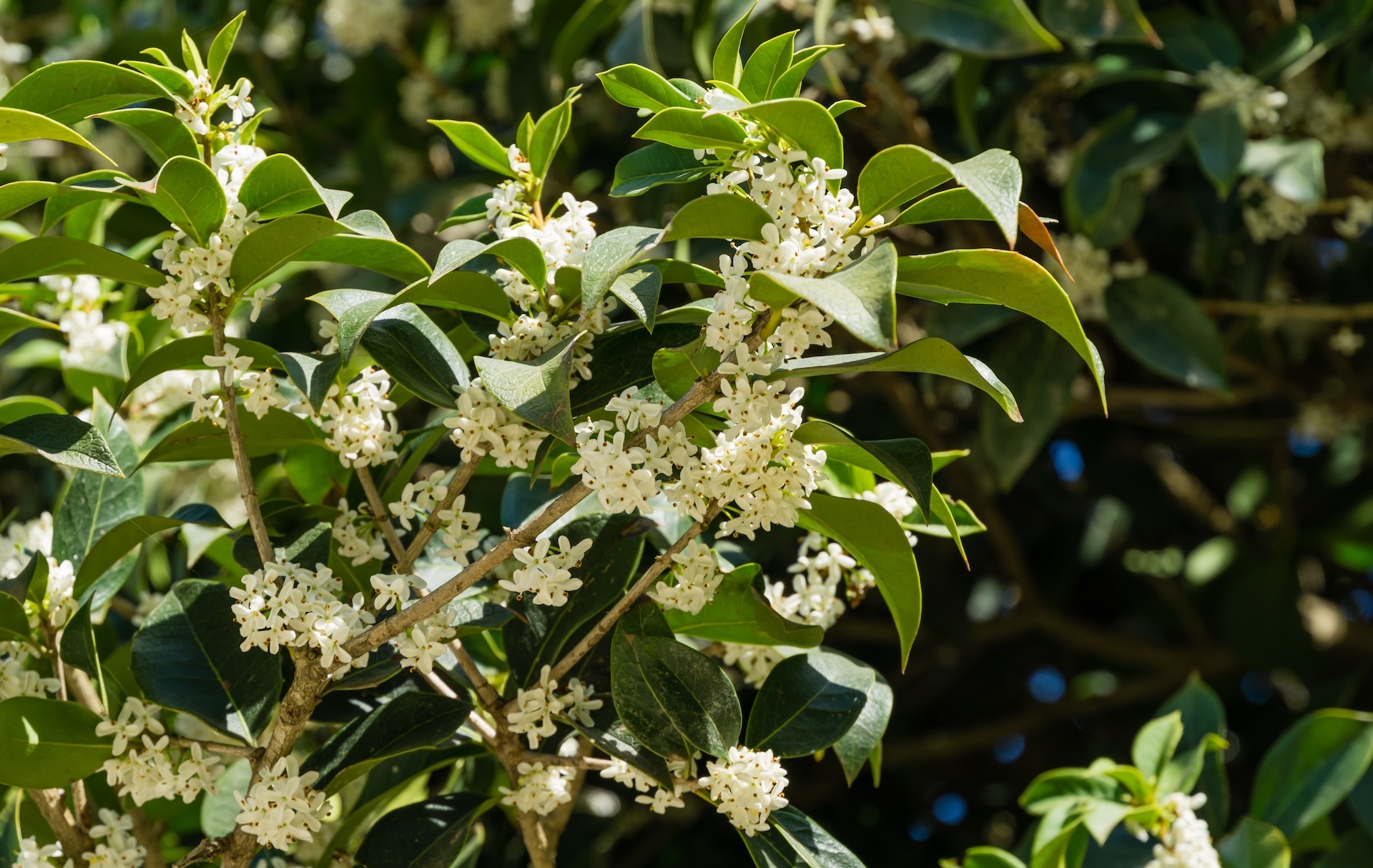
Framing the southern entrance with monumental grace are eight large Osmanthus (Osmanthus fragrans) shrubs, meticulously pruned into spheres. In spring and autumn, their tiny white tubular flowers release an incredibly sweet perfume that carries across the estate. Once dried, these blossoms can even be used to add a delicate fragrance to tea infusions.

(Photo: Osmanthus)

The Romantic Gardens of Don Tommaso and Donna Anna

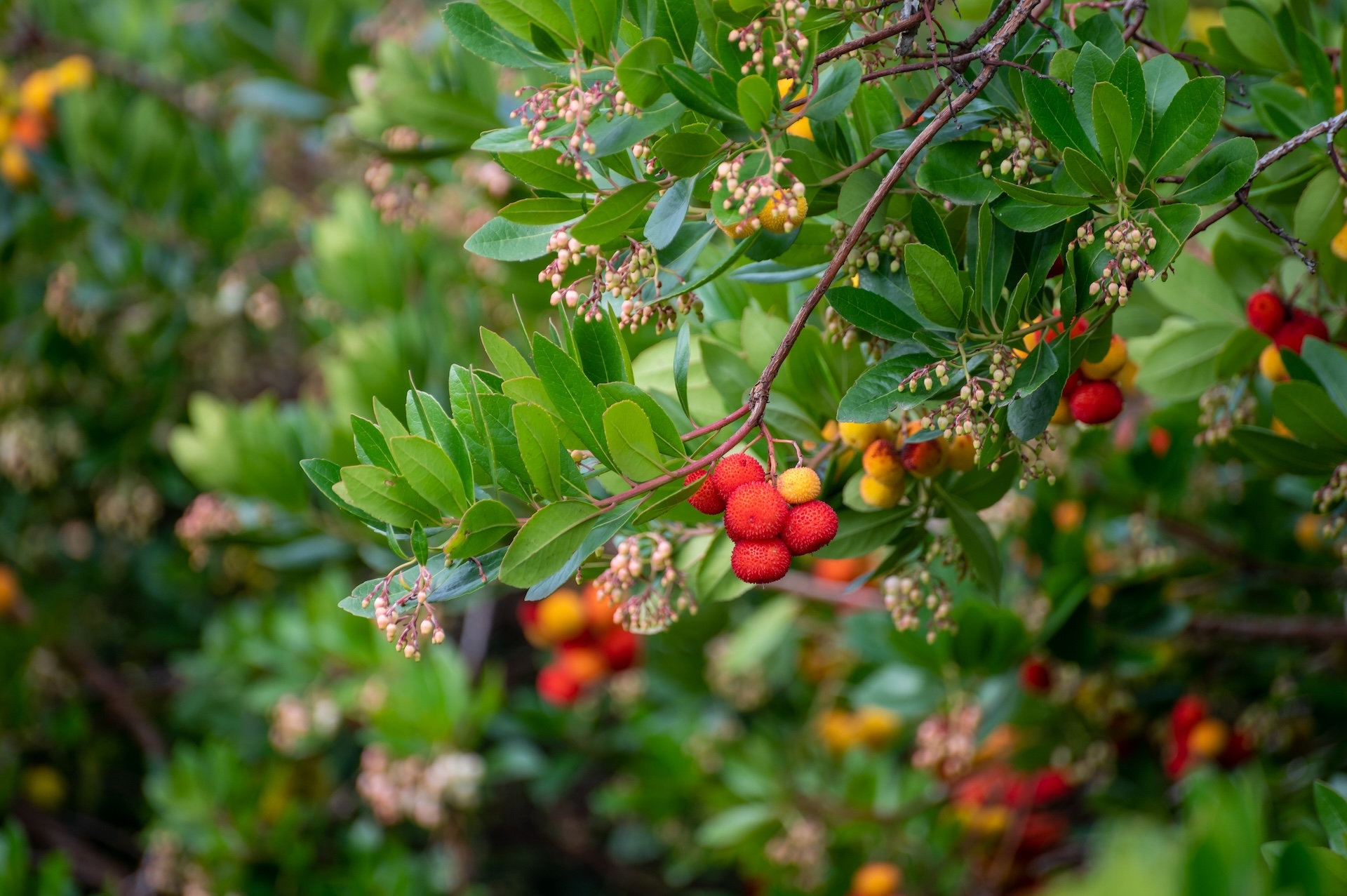
Wandering around the Villa, two 18th-century masonry gates lead to the private gardens of Don Tommaso and Donna Anna. Designed in the Romantic landscape style, these enclaves house predominantly Mediterranean species. Dense clusters of shrubs feature ancient specimens of the Strawberry Tree (Arbutus unedo) — famed for bearing flowers and ripe fruit simultaneously — alongside Laurel (Laurus nobilis) and Laurustinus (Viburnum tinus).

(Photo: Strawberry Tree)

The Strawberry Tree is prized for its edible fruits, while Laurel is celebrated for its aromatic leaves, a staple in Italian cuisine and a natural moth repellent. The Laurustinus offers a more complex profile: its white floral clusters bloom from late autumn through spring, emitting a scent that is a point of debate — delightful to some, and quite pungent to others.

In Donna Anna’s garden, as you move back toward the meadow, you can admire majestic Stone Pines (Pinus pinea). Their iconic umbrella-shaped canopies silhouette against the Tuscan sky and the Villa’s façade, creating a truly spectacular scenography.

Rare Shrubs and Fragrances

The restoration of the Romantic Gardens also focused on reintroducing the flowering shrubs beloved in the late 19th century. Visitors will encounter Philadelphus (Mock Orange), Lilacs (Syringa vulgaris), and various Viburnums introduced from East Asia, such as Viburnum carlesii and Viburnum plicatum.

The collection is rounded out by other Asian treasures highly fashionable in the 1800s: the Winter Sweet (Chimonanthus praecox), the rare and fragrant Daphne (Daphne odora), and the Harlequin Glorybower (Clerodendrum trichotomum), which fills the spring air with its exotic scent.

A Symphony of Spring Bulbs

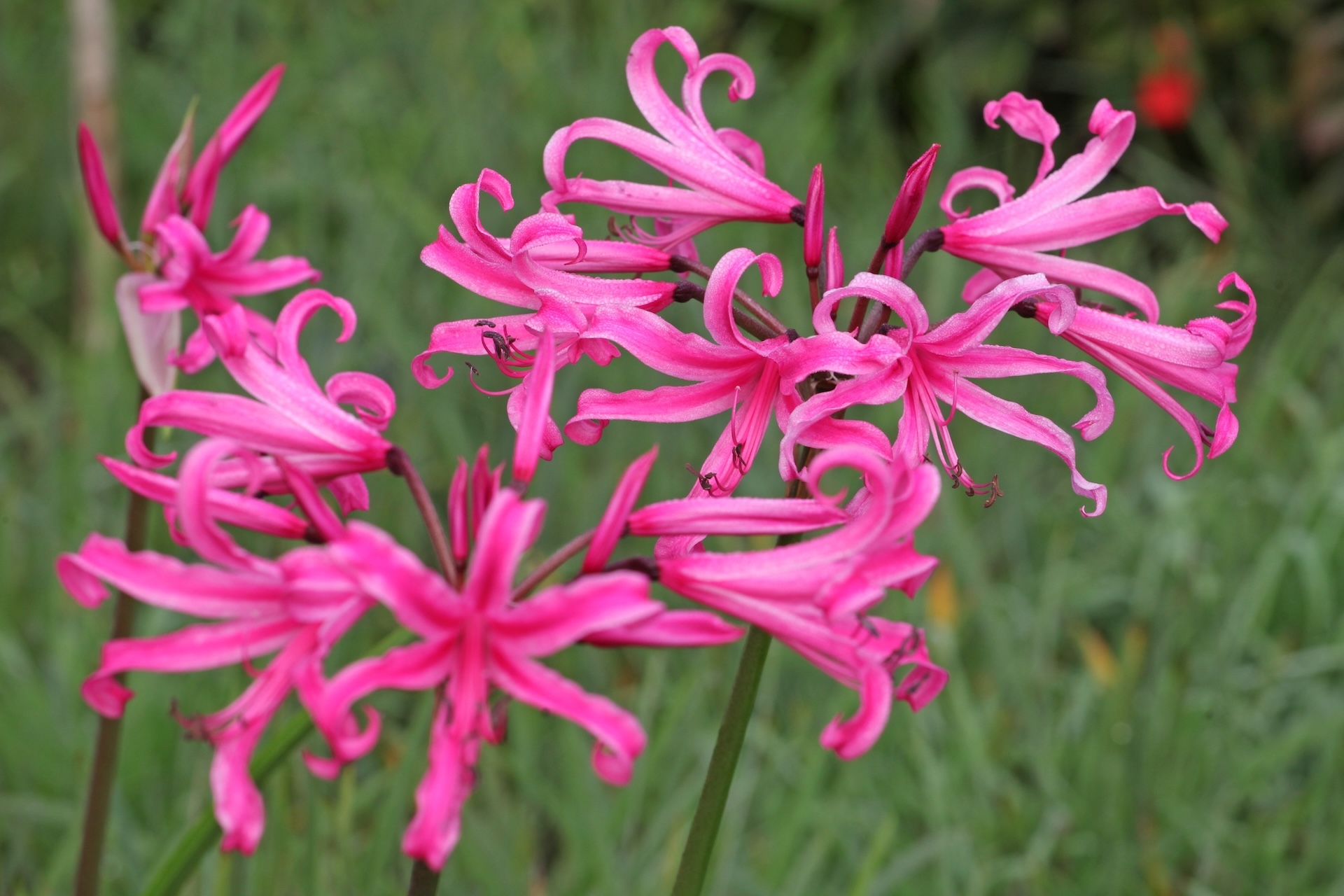
In the spring, thousands of tulips and daffodils paint the Romantic Gardens in vibrant hues. Alongside these classic favorites, rarer bulbs emerge, such as the Camassia, with its striking sky-blue spring blossoms, and the Amarine — a stunning hybrid of Amaryllis and Nerine — which provides a deep pink floral display in the autumn.

(Photo: amarine)

The Roses of the Italian Garden

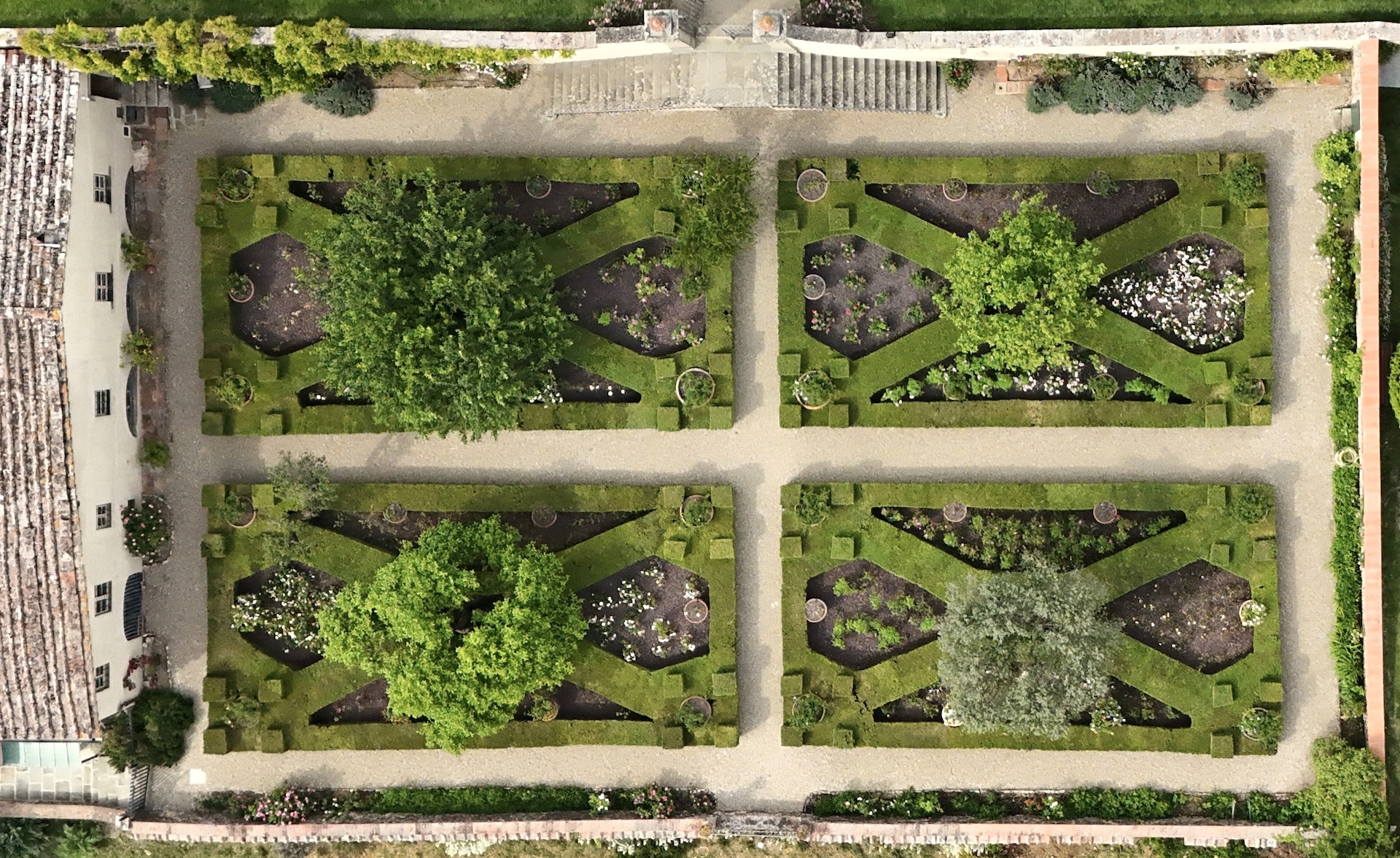
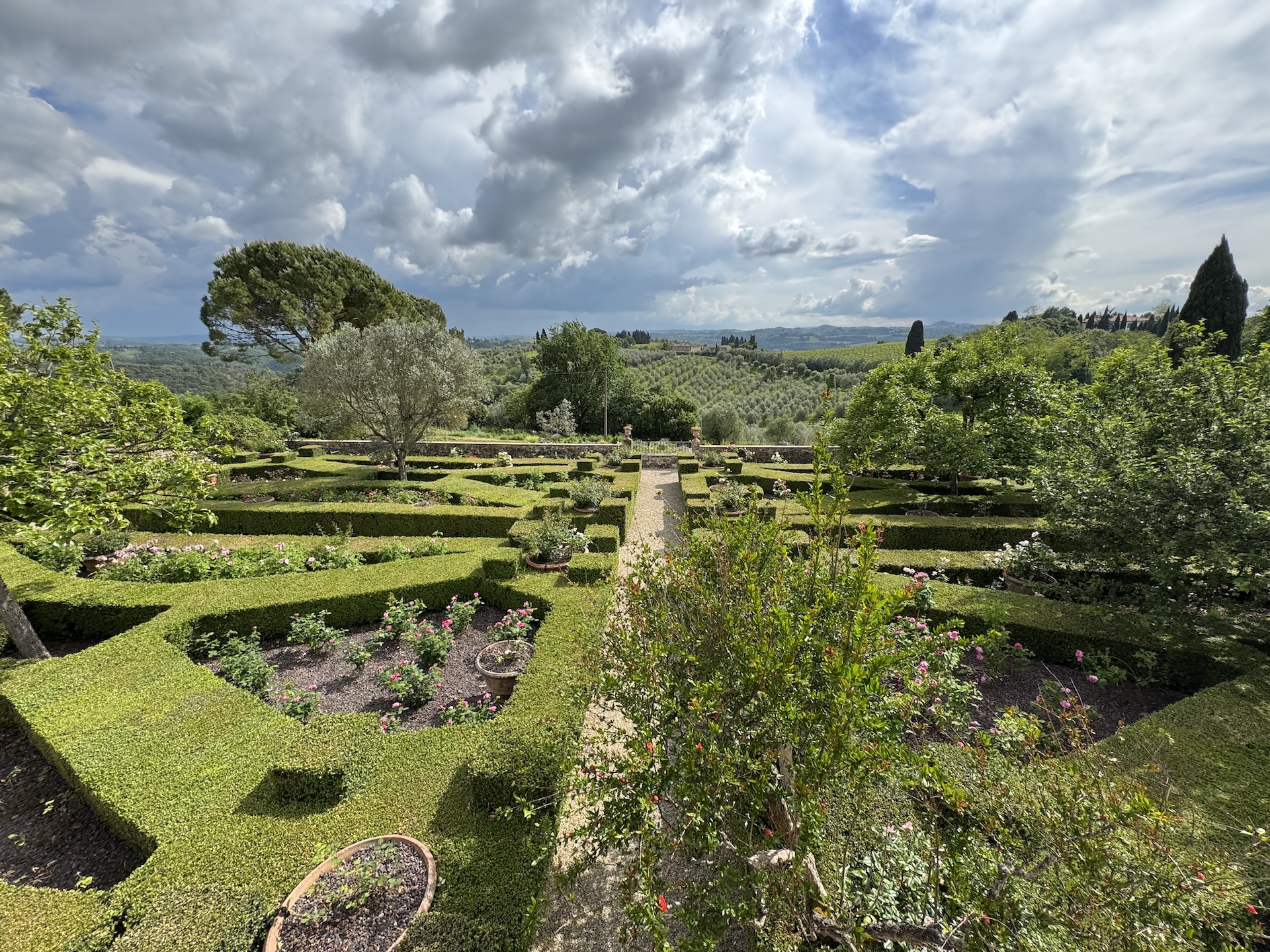
The formal Italian Garden at Villa Le Corti is a sanctuary for roses. This unique collection brings together ancient and modern varieties under one common denominator: an extraordinary fragrance.

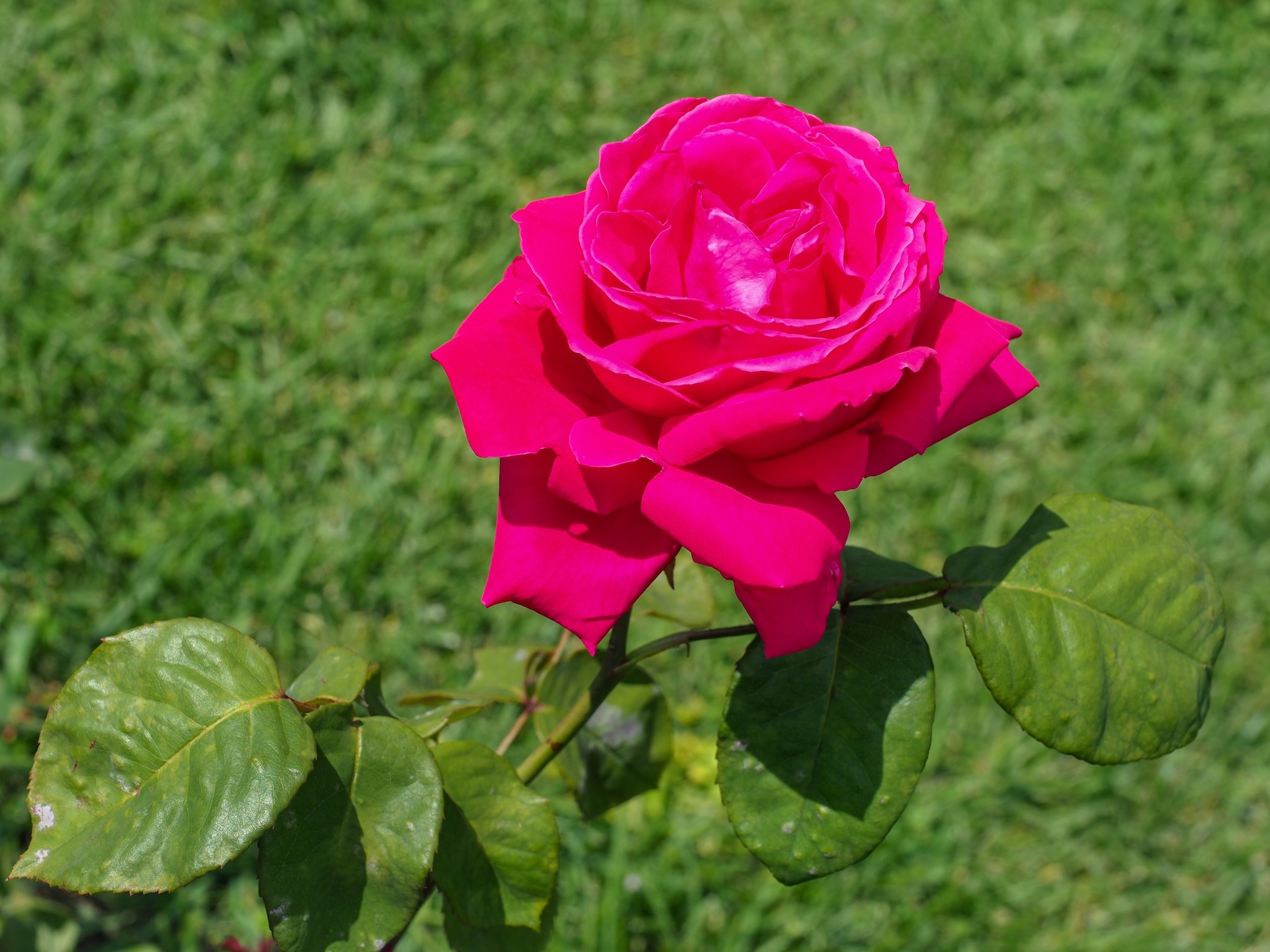
To complete the existing heritage garden, over 350 new plants were added, representing the great families of the Rosa genus: Bourbon, Damask, China, Tea, Portland, and Floribunda. You will also find Hybrid Rugosa roses, a group that emerged in the late 1800s from sophisticated crosses between Portland, Bourbon, Tea, and China varieties.

(Photo: Gloria di Roma rose)

Quatre Saisons and à Parfum de l’Hay Roses

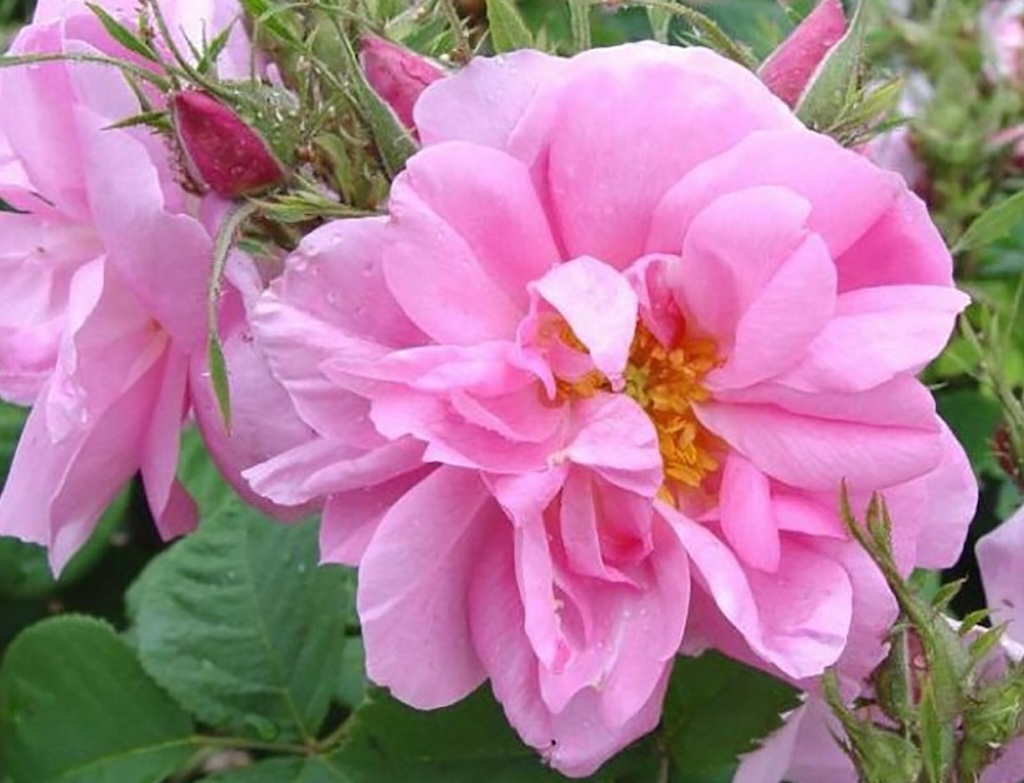
The Quatre Saisons Rose is one of the oldest recorded varieties (known since the 1600s as Rosa damascena ‘Bifera’), it is intensely fragrant and famous for its ability to re-bloom throughout the season.

The Rose à Parfum de l’Hay is a highly scented Rugosa hybrid created by French botanist Jules Gravereaux in 1901.

Looking south toward the valley, you can find the ‘Quatre Saisons’ in the first left compartment, while the ‘Rose à Parfum de l’Hay’ lines the perimeter near the stairs to the kitchen garden and the first right compartment.

(Photo: Quatre Saisons rose)

The Heady Aroma of Boxwood

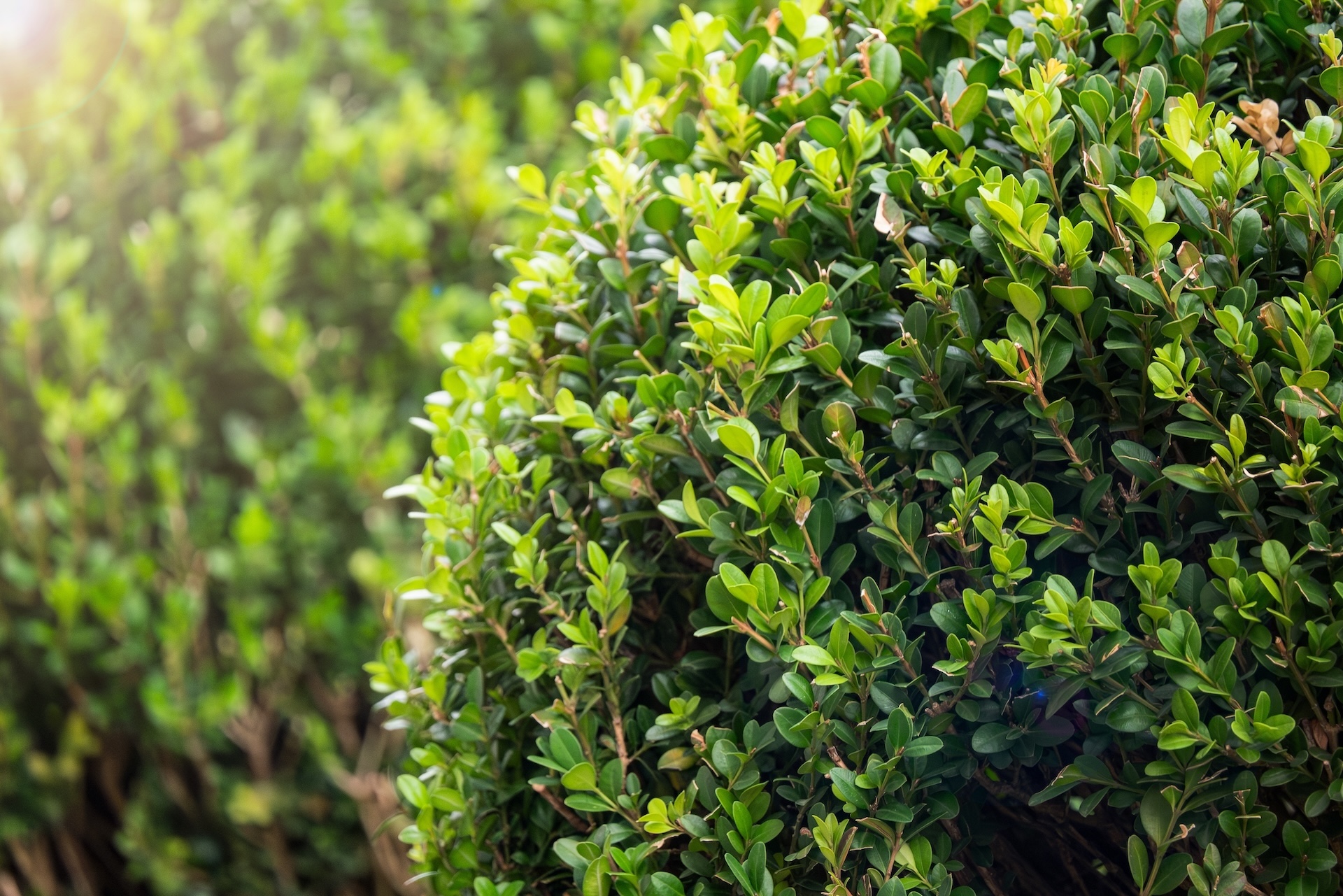
While the Italian Garden is a mosaic of scents, the most pervasive is the Boxwood (Buxus). The sharp, resinous aroma emanating from its wood and foliage is a hallmark of historic European gardens — a scent that has divided opinions since antiquity, when gardeners often preferred the spicier notes of Myrtle or Laurel.

Along the perimeter walls, the fragrance profile shifts with the seasons: from the aromatic foliage of lavender and rosemary to the floral notes of wisteria, narcissus, and violets, and the dual sensory delight of lemon trees.

(Photo: boxwood)

Floral Diversity and Fruit Trees

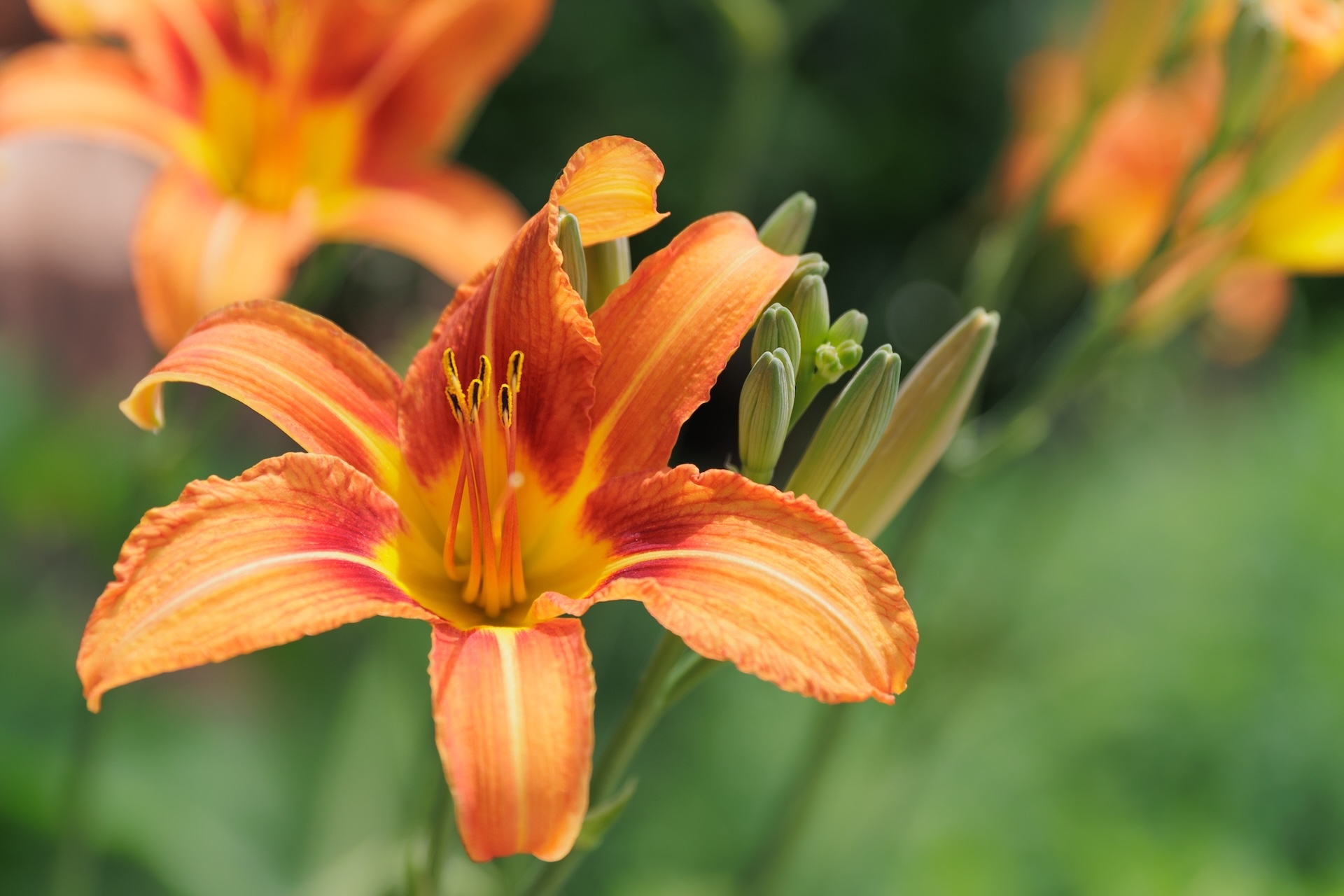
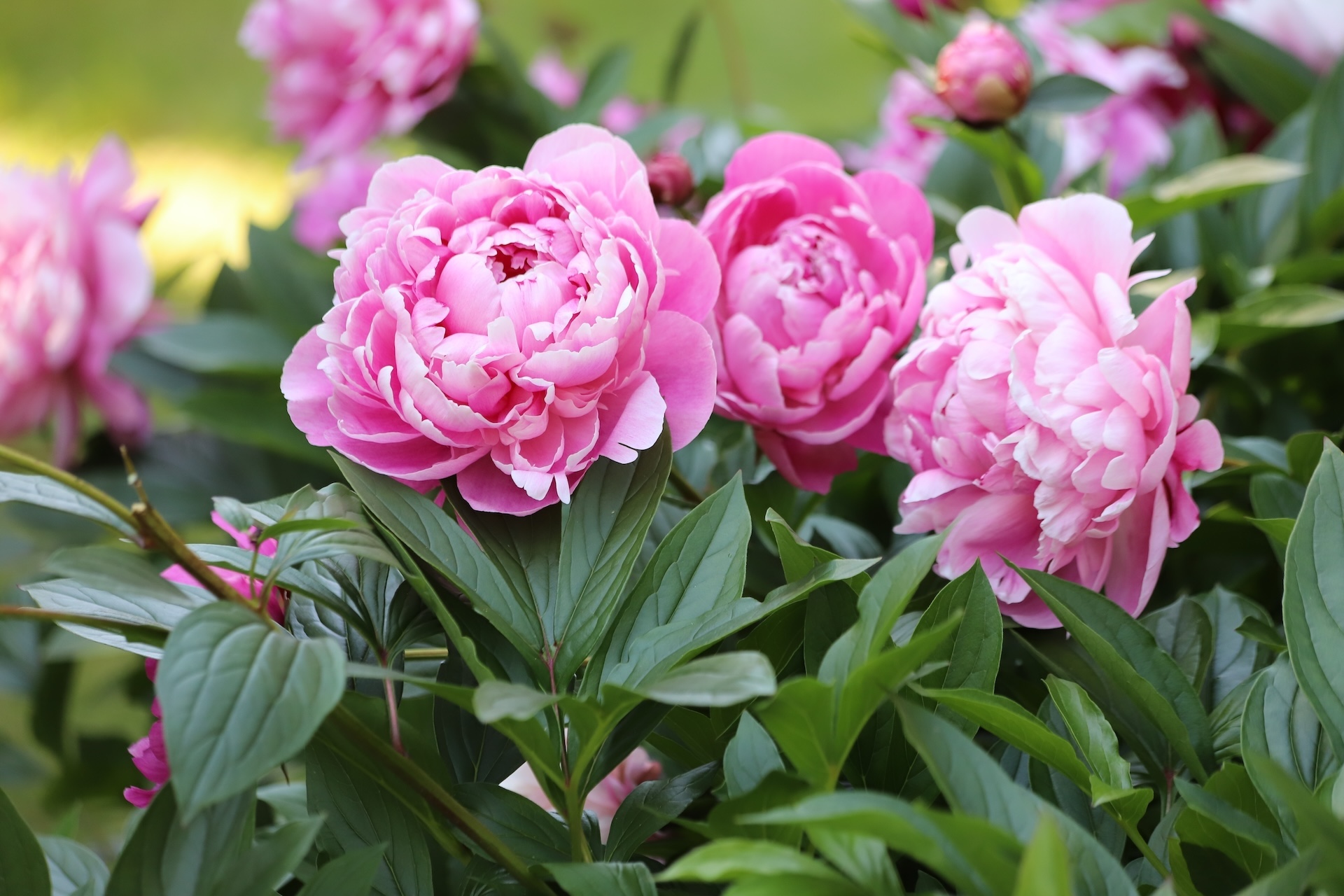
Beyond the roses, the four boxwood-bordered compartments host a variety of seasonal treasures: Daylilies (Hemerocallis), Peonies, and Michaelmas Daisies (Aster), which bloom in late summer.

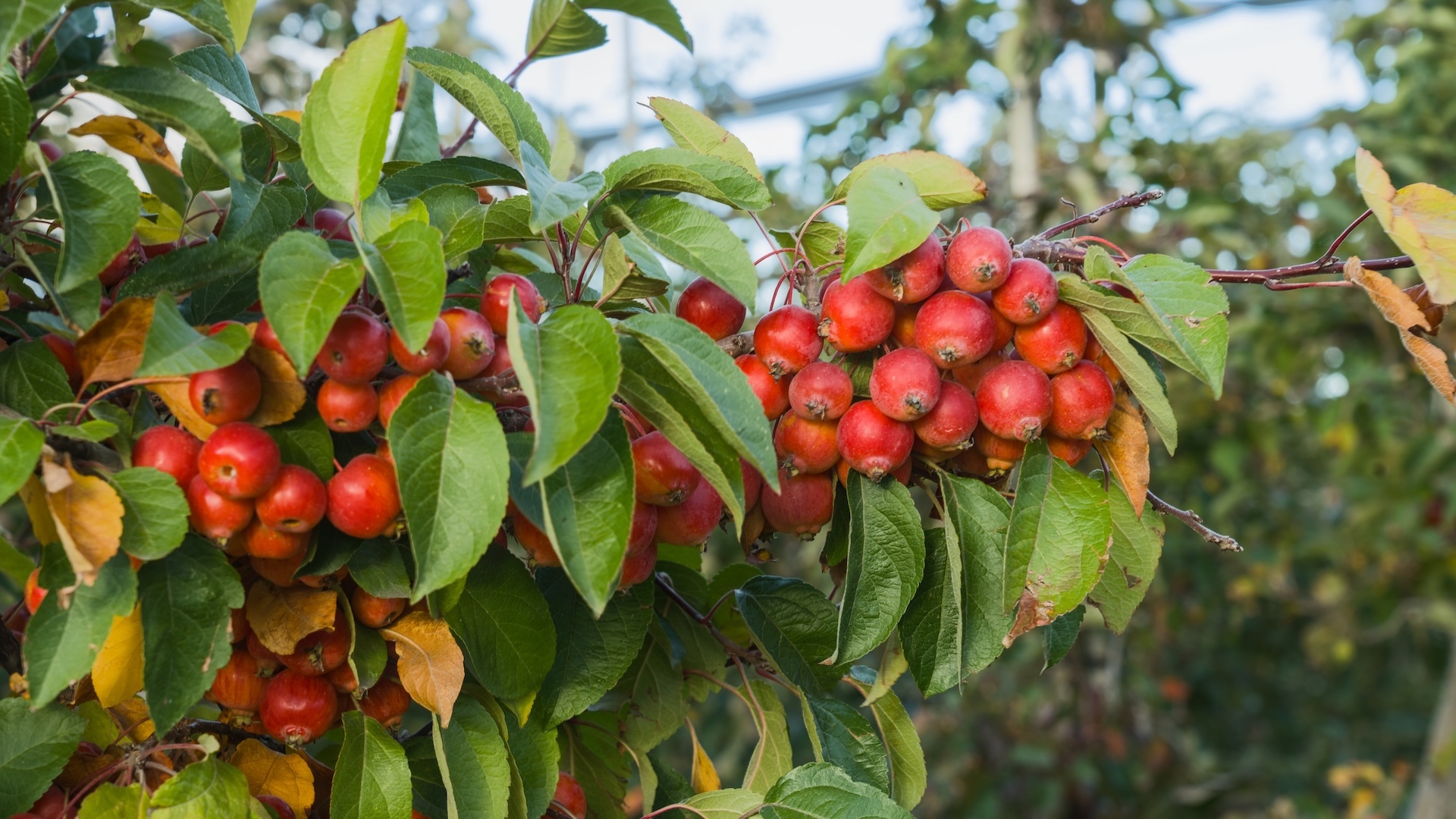
The garden also integrates fruit-bearing trees into its formal structure. Within the central compartments grow Persimmon trees (Diospyros kaki), a Flowering Apple (Malus spp.), and an Olive tree (Olea europaea). The perimeter is graced by a Pear tree (Pyrus communis) and a Pomegranate (Punica granatum).

(Photo: daylilies, Flowering Apple and peonies)

Tradition and Innovation in the Pomarium

The Pomarium of Villa Le Corti is a bridge between the past and the future. This orchard preserves heirloom Tuscan varieties — such as the ‘Bella di Arezzo’ cherry or the 1927 ‘Pieri 81’ peach — alongside modern cultivars.

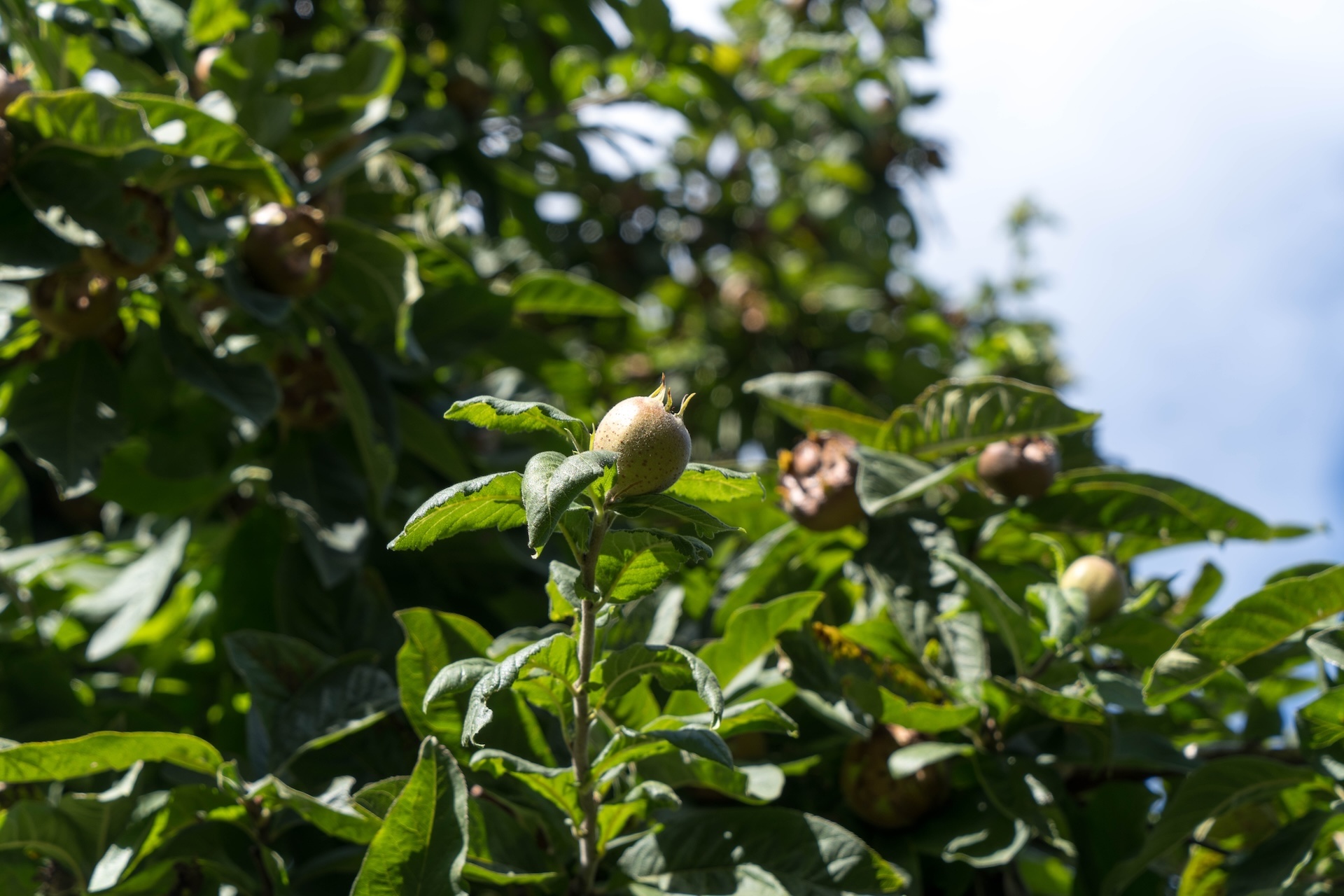
In spring and summer, the air is thick with the scent of sun-ripened fruit: apples, pears, plums, apricots, and peaches. You will also find the Common Medlar (Mespilus germanica), a staple of Italian tables until the last century, which features beautiful (though scentless) blossoms.

(Photo: medlar)

The Kitchen Garden: Heirloom Vegetables and Ancient Wisdom

The Kitchen Garden (Orto) of Villa Le Corti utilizes Electroculture, an intriguing ancient technique of energetic agriculture. The garden is framed by large bushes of rosemary and lavender leaning against the stone retaining walls of the Italian Garden.

A quintessential plant found near the Orto is the Hawthorn (Crataegus monogyna). A versatile wild plant, its spring leaves are a delicate addition to salads, while its white flowers serve as elegant edible decorations for desserts. Traditionally, its vitamin-rich fruits are used for artisanal jams, teas, and herbal infusions.

Request more information

Contact us for more information.

Contacts